

Event of the Year in Cyprus
JULY 29–30
PATTIHIO MUNICIPAL AMPHITHEATRE,
Larnaca
PATTIHIO MUNICIPAL AMPHITHEATRE,
Larnaca
- An open-air ballet under the stars at The Patticheio Municipal Amphitheatre in Larnaca
- Choreography by Lorca Massine, Performed by the Sofia National Opera and Ballet
- Featuring Igor Tsvirko, Principal of the Bolshoi Theatre and Oleg Ivenko, Principal of the Ballet Kazan
Mikis Theodorakis'S ICONIC BALLET
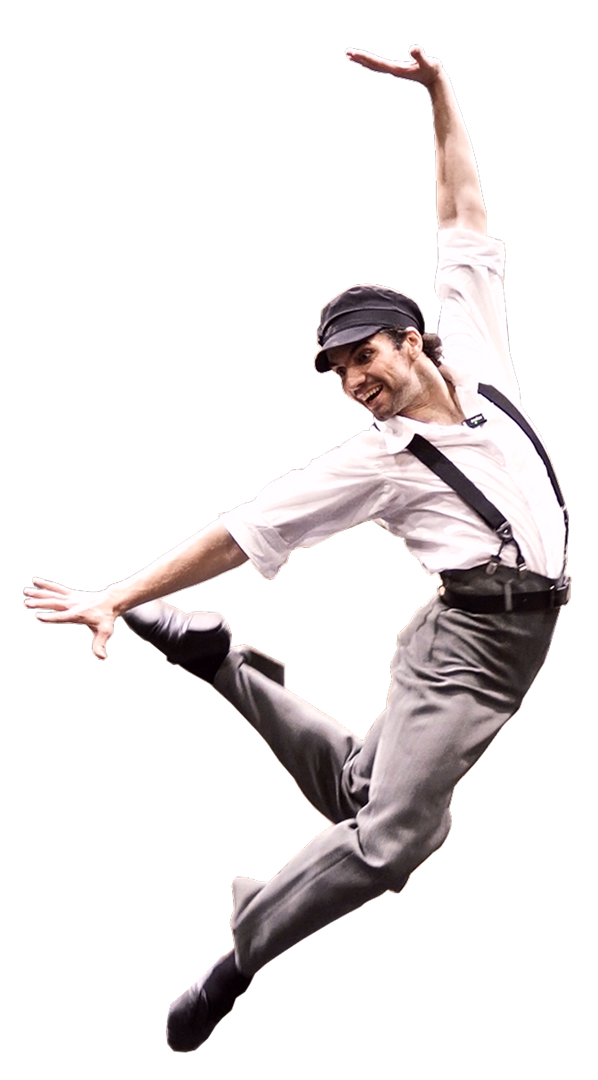
libretto
MAIN CHARACTERS
ZORBA, a mature man
Zorba is a heroic figure, respected within a society standing on the threshold of great historical change. Within him lives the spirit of euphoria that reaches back to the ancient Greek god Dionysus.
The essence of Zorba lies in his profound acceptance of existence in all its fullness — both joy and suffering. This deep feeling for life drives him to dance; for him, dance is not merely the expression of emotions, but a transcendence — a way of moving beyond the predetermined framework of life’s drama. His dance is a symphony, an elegant fusion of weightlessness and ecstasy, poetry and enchantment. It is a refined tapestry where Apollonian order and Dionysian passion intertwine. Zorba embodies this eternal union, uniting within himself order and chaos, discipline and freedom, reason and feeling.
JOHN, a young traveler from the West
Raised on Western literature, John carries within him rationalism and revolutionary ideas. He is a restless intellectual, arriving in Greece in search of authentic life.
Despite his friendship with Zorba, he is his opposite in spirit. Zorba is impulsive and closer to the Dionysian, while John is rooted in the Apollonian. He is immersed in philosophy and books, whereas Zorba is rooted in life itself.
Yet despite his initial resistance to chaos and raw passion, John falls deeply in love with Marina, a young widow of striking sensual beauty. His love shakes the ground beneath him and ultimately leads to the destruction of the woman he adores.
At the ballet’s climax, John, having endured loss, love, and friendship, undergoes catharsis and purification. His story is one of true male friendship and the triumph of spirit over cold rationality.
MARINA, a young widow
Beneath the veil of widow’s mourning, Marina hides a vital secret. She is alluring and seductive without vulgarity, like a blooming garden behind high walls. Her proud heart remains untouchable: the mature fragrance of her beauty ensnares the eyes and drives countless suitors to madness, yet she is firm in her refusals — until the arrival of the mysterious foreigner John, who melts her icy defenses.
The passionate love of Marina and John provokes the fury of the crowd, guardians of tradition and executioners of their love. Hostility and judgment prevail, and the mob tears Marina apart.
MANOLIOS, a young Greek in love with Marina
Manolios is a vivid character who embodies the spirit of the people. He symbolizes raw passion and untamed masculine energy, bound to the land and its rhythm. Rejected by Marina, his longing and desire for revenge fuel the anger of the crowd, which he leads against her.
His adherence to national traditions is expressed through his appearance and costume: the sariki headscarf with black fringe, typical of Cretan dress, and the loose vraka trousers tucked into boots.
MADAME HORTENSE, an aging Frenchwoman, a singer
Madame Hortense embodies all women who tremble before the passage of time. Her existence is like a boat that has drifted away from the shore of worldly dramas, floating in another dimension along the river of time. In this dreamlike world she encounters the ghosts of former lovers, who in her imagination take the shape of Zorba. He sustains within her the game of romantic passion.
Her eccentric appearance combines elements of many eras: old lace dresses with fabrics that have lost their whiteness, bright hair reminiscent of Toulouse-Lautrec’s heroines.
In her theatrical image — with heavy makeup and flamboyant touches, with old red shoes — there emerges exaltation, tenderness, and compassion. Her soul is fragile, and in this authenticity we love her.
ACT ONE
The action takes place on a Greek island. Zorba, the very embodiment of the people’s spirit, befriends John, an energetic young traveler from the West.
The foreigner’s arrival arouses hostility among the locals, especially Manolios, whose love for the proud widow Marina is unrequited. Zorba becomes John’s guide into the spirit of dance.
John tries to interest Zorba in a book, but Zorba prefers to console the Frenchwoman, Madame Hortense. John is drawn to Marina, but the crowd is hostile. Zorba approves of John’s feelings, while the villagers plot to separate the lovers. In spite of them, John and Marina close the first act with a pas de deux filled with tenderness and love.
ACT TWO
Zorba returns and, seeking to make amends for his sudden disappearance, announces his marriage to Madame Hortense, promising her heavenly love.
The mutual affection between John and Marina grows, inflaming the anger of the villagers. In a storm of prejudice, the people attack Marina, stoning her, while John stands powerless as his beloved is torn apart by the furious crowd. Consumed by jealousy, Manolios incites his fellow villagers. Zorba arrives just in time to rescue John from danger.
Zorba tries to console his friend and lift him out of grief through dance.
Illness claims the fragile Madame Hortense, and Zorba suddenly realizes how dear this woman was to him. Now John, in turn, tries to comfort his despairing friend.
The final syrtaki — raising the spirit of dance to a triumphant height — symbolizes the victory of life itself.
ZORBA, a mature man
Zorba is a heroic figure, respected within a society standing on the threshold of great historical change. Within him lives the spirit of euphoria that reaches back to the ancient Greek god Dionysus.
The essence of Zorba lies in his profound acceptance of existence in all its fullness — both joy and suffering. This deep feeling for life drives him to dance; for him, dance is not merely the expression of emotions, but a transcendence — a way of moving beyond the predetermined framework of life’s drama. His dance is a symphony, an elegant fusion of weightlessness and ecstasy, poetry and enchantment. It is a refined tapestry where Apollonian order and Dionysian passion intertwine. Zorba embodies this eternal union, uniting within himself order and chaos, discipline and freedom, reason and feeling.
JOHN, a young traveler from the West
Raised on Western literature, John carries within him rationalism and revolutionary ideas. He is a restless intellectual, arriving in Greece in search of authentic life.
Despite his friendship with Zorba, he is his opposite in spirit. Zorba is impulsive and closer to the Dionysian, while John is rooted in the Apollonian. He is immersed in philosophy and books, whereas Zorba is rooted in life itself.
Yet despite his initial resistance to chaos and raw passion, John falls deeply in love with Marina, a young widow of striking sensual beauty. His love shakes the ground beneath him and ultimately leads to the destruction of the woman he adores.
At the ballet’s climax, John, having endured loss, love, and friendship, undergoes catharsis and purification. His story is one of true male friendship and the triumph of spirit over cold rationality.
MARINA, a young widow
Beneath the veil of widow’s mourning, Marina hides a vital secret. She is alluring and seductive without vulgarity, like a blooming garden behind high walls. Her proud heart remains untouchable: the mature fragrance of her beauty ensnares the eyes and drives countless suitors to madness, yet she is firm in her refusals — until the arrival of the mysterious foreigner John, who melts her icy defenses.
The passionate love of Marina and John provokes the fury of the crowd, guardians of tradition and executioners of their love. Hostility and judgment prevail, and the mob tears Marina apart.
MANOLIOS, a young Greek in love with Marina
Manolios is a vivid character who embodies the spirit of the people. He symbolizes raw passion and untamed masculine energy, bound to the land and its rhythm. Rejected by Marina, his longing and desire for revenge fuel the anger of the crowd, which he leads against her.
His adherence to national traditions is expressed through his appearance and costume: the sariki headscarf with black fringe, typical of Cretan dress, and the loose vraka trousers tucked into boots.
MADAME HORTENSE, an aging Frenchwoman, a singer
Madame Hortense embodies all women who tremble before the passage of time. Her existence is like a boat that has drifted away from the shore of worldly dramas, floating in another dimension along the river of time. In this dreamlike world she encounters the ghosts of former lovers, who in her imagination take the shape of Zorba. He sustains within her the game of romantic passion.
Her eccentric appearance combines elements of many eras: old lace dresses with fabrics that have lost their whiteness, bright hair reminiscent of Toulouse-Lautrec’s heroines.
In her theatrical image — with heavy makeup and flamboyant touches, with old red shoes — there emerges exaltation, tenderness, and compassion. Her soul is fragile, and in this authenticity we love her.
ACT ONE
The action takes place on a Greek island. Zorba, the very embodiment of the people’s spirit, befriends John, an energetic young traveler from the West.
The foreigner’s arrival arouses hostility among the locals, especially Manolios, whose love for the proud widow Marina is unrequited. Zorba becomes John’s guide into the spirit of dance.
John tries to interest Zorba in a book, but Zorba prefers to console the Frenchwoman, Madame Hortense. John is drawn to Marina, but the crowd is hostile. Zorba approves of John’s feelings, while the villagers plot to separate the lovers. In spite of them, John and Marina close the first act with a pas de deux filled with tenderness and love.
ACT TWO
Zorba returns and, seeking to make amends for his sudden disappearance, announces his marriage to Madame Hortense, promising her heavenly love.
The mutual affection between John and Marina grows, inflaming the anger of the villagers. In a storm of prejudice, the people attack Marina, stoning her, while John stands powerless as his beloved is torn apart by the furious crowd. Consumed by jealousy, Manolios incites his fellow villagers. Zorba arrives just in time to rescue John from danger.
Zorba tries to console his friend and lift him out of grief through dance.
Illness claims the fragile Madame Hortense, and Zorba suddenly realizes how dear this woman was to him. Now John, in turn, tries to comfort his despairing friend.
The final syrtaki — raising the spirit of dance to a triumphant height — symbolizes the victory of life itself.
About the Ballet
A Ballet That Conquered the World
Zorba the Greek is more than a ballet, it is a story of freedom, passion, and the indomitable human spirit that refuses to surrender to circumstance.
Based on the legendary novel by Nikos Kazantzakis and set to the unforgettable music of Mikis Theodorakis, this ballet premiered at the Arena di Verona in 1988 and has since toured over 40 countries, captivating more than three million spectators. A legendary open-air
Zorba the Greek is more than a ballet, it is a story of freedom, passion, and the indomitable human spirit that refuses to surrender to circumstance.
Based on the legendary novel by Nikos Kazantzakis and set to the unforgettable music of Mikis Theodorakis, this ballet premiered at the Arena di Verona in 1988 and has since toured over 40 countries, captivating more than three million spectators. A legendary open-air
performance in Rio de Janeiro drew an audience of 120,000 — a record for a ballet production.
Lorca Massine's choreography transforms Kazantzakis' narrative into a breathtaking spectacle where classical dance interweaves with Greek folk traditions. The ballet culminates in the famous Zorba's Dance (sirtaki) is a symbol of freedom, joy, and defiance that leaves no one untouched.
Running time: approximately 2 hours including interval.
Lorca Massine's choreography transforms Kazantzakis' narrative into a breathtaking spectacle where classical dance interweaves with Greek folk traditions. The ballet culminates in the famous Zorba's Dance (sirtaki) is a symbol of freedom, joy, and defiance that leaves no one untouched.
Running time: approximately 2 hours including interval.
СREATORS
- Mikis TheodorakisComposerMikis Theodorakis (1925–2021) was the greatest Greek composer of the 20th century — a poet, a politician, and a symbol of resistance. His score for the film Zorba the Greek (1964) became one of the most recognisable pieces of music in the world. Theodorakis studied at the Athens and Paris conservatories under Olivier Messiaen. He composed seven symphonies, four operas, numerous ballets, and film scores, bringing the poetry of Nobel laureates to the masses through music. A wartime resistance fighter and political prisoner under the military junta, Theodorakis became the voice of freedom for all of Greece. His music for the Zorba ballet was specially composed for the stage production based on the film soundtrack, and remains one of the most emotionally powerful ballet scores of our time.
- Lorca MassineChoreographerLorca Massine (b. 1944, New York) is an American choreographer and dancer of Russian heritage, son of the legendary ballet master Léonide Massine. He worked with the greatest choreographers of our time — Balanchine, Béjart, Robbins. He danced principal roles with the New York City Ballet and performed at the Metropolitan Opera and London Royal Opera House. He has choreographed over 50 ballets and musicals. His masterwork — Zorba, which premiered at the Arena di Verona in 1988 — became the most attended contemporary full-length ballet in the world.
sOLOISTS
- Igor TsvirkoBolshoi TheatreIgor Tsvirko is a principal dancer of the Bolshoi Theatre. He graduated from the Moscow State Academy of Choreography in 2007 and joined the Bolshoi Ballet Company. He has been nominated three times for the Golden Mask award and won the ballet magazine Soul of Dance prize in the Star nomination (2017). In 2018, together with Ekaterina Krysanova, he was named Best Duet at the international Dance Open festival. He was voted Dancer of the Month by British magazine Dancing Times (2016). His repertoire includes leading roles in both classical and contemporary ballets: Don Quixote, Swan Lake, Romeo and Juliet, and Spartacus and legendary role of Zorba the Greek
- Oleg IvenkoBallet KazanOleg Ivenko is a principal dancer of the Tatar Academic State Opera and Ballet Theatre (Kazan). He gained worldwide fame for starring as Rudolf Nureyev in Ralph Fiennes' film The White Crow (2019). He received the Leonide Massine Prize in Positano (2020) as Best Dancer of the Year on the International Stage. He won the Grand Prix at the Yuri Grigorovich International Competition (2014) and First Prize at the Korean International Ballet Competition (2016).
The TROUPE
Sofia National Opera and Ballet
The Sofia National Opera and Ballet is Bulgaria's principal music theatre. Founded in 1890, it is the country's oldest opera house. The ballet company has been active since 1928 and maintains a repertoire of nearly 30 classical titles, including Swan Lake, Giselle, Don Quixote, Romeo and Juliet, and Zorba the Greek. Zorba was first staged by Lorca Massine for the Sofia company in 1995 and has since become one of the theatre's signature productions. Alumni of the Bulgarian ballet school hold leading positions in the world's major companies.

- 50
artistsUnited on one stage - 2
nightsOnly two performances in Cyprus - 4500+
spectatorsJoin a vibrant audience under the stars
Venue & Festival

The Pattichio Municipal Amphitheatre is one of the most atmospheric open-air venues in Cyprus.
Inaugurated in 1990 thanks to a donation from the Pattichi family, it seats approximately 2,000 spectators. Built in the tradition of ancient Greek theatres, it is harmoniously set within the parkland of the famous Larnaca Salt Lake.
An evening under the open sky surrounded by nature is the perfect setting to experience the magic of a Mediterranean summer night.
Inaugurated in 1990 thanks to a donation from the Pattichi family, it seats approximately 2,000 spectators. Built in the tradition of ancient Greek theatres, it is harmoniously set within the parkland of the famous Larnaca Salt Lake.
An evening under the open sky surrounded by nature is the perfect setting to experience the magic of a Mediterranean summer night.
Larnaka Festival is an annual summer festival organised by the Municipality of Larnaca in July. A month of music, dance, and theatre featuring Cypriot and international artists. The festival's main venues are the medieval Larnaca Fort and the Pattichio Amphitheatre. The festival has been awarded the European EFFE quality label. The Zorba the Greek ballet will be one of the headline events of Larnaka Festival 2026.
HOW IT WAS LAST YEAR
FAQ
The performance begins at 21:00 on both evenings, 29 and 30 July.
Approximately 2 hours including intermission
The ballet is suitable for audiences of all ages starting from 6 years
Yes, the Pattichio Amphitheatre is an outdoor venue. We recommend bringing a light jacket for the evening
Online at Ticketmaster.cy, at ACS box offices, or by phone at 7777 7040.
Yes, free parking is available near the amphitheatre.
media partners
With Gratitude to Our Partners
This event would not be possible without the trust and support of our valued partners.
This event would not be possible without the trust and support of our valued partners.



FOLLOW THE NEWS
If you want to be the first to know about new performances by the Celebrity Gala Team subscribe to our newsletter
You can unsubscribe at any time. Privacy Policy